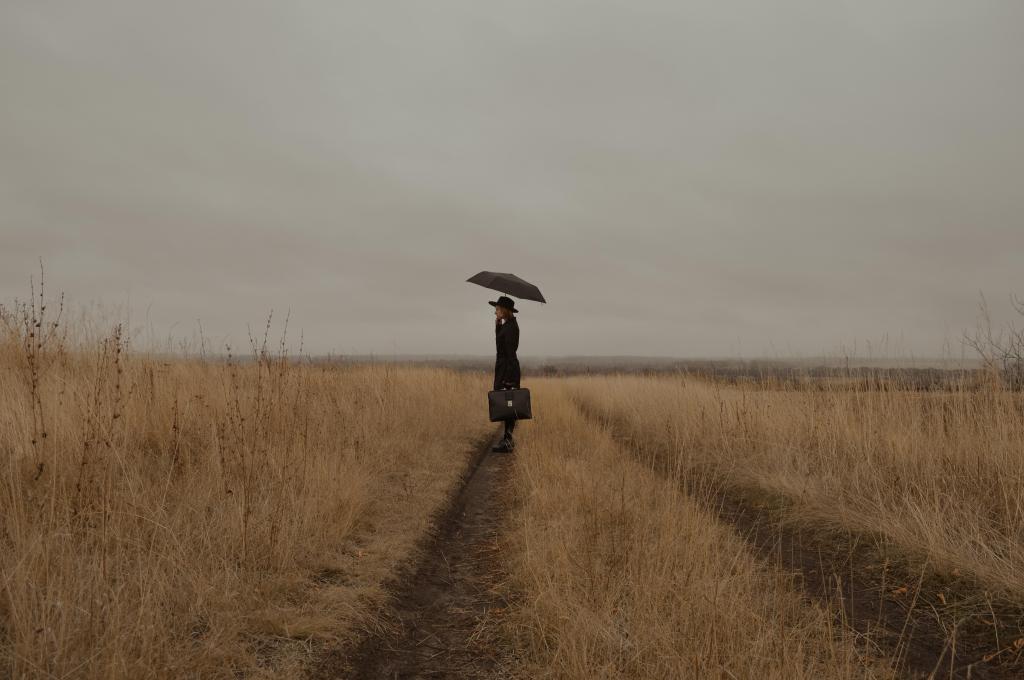
I used to think most hard things in life were in-built with a traditional feel good story arc. You know what I’m talking about—things are good, something breaks, there is tension and struggle, then comes the breakthrough and resolution.
Let’s face it, all good stories are exactly like that. A clean, predictable beginning, middle, and end. You pray, you trust, you wait…and eventually things turn around. That’s the story we like to tell. That’s the story we expect.
But, real life doesn’t always operate in such a cookie-cutter way. If you’ve walked with Jesus long enough, you start to notice something:
Sometimes…it doesn’t turn around.
A few months ago, I had a chat with someone after church who was doing everything right. They were praying and engaging with Scripture. They were living in community and serving others with joy. And still—nothing was changing. The situation they were in wasn’t getting better.
It wasn’t slowly or eventually getting there, but just…no sign of improving.
At one point they said, “I don’t even know what I’m asking God for anymore. I think I just want it to stop.” I didn’t have a clean answer for them.
Mainly because that person I was talking to was me. I was the one struggling, looking for the answers…looking for some sign of things getting better. But the truth is, the Bible doesn’t always give us an answer either—at least not always an easy, clean cut one.
The Apostle Paul talks about a “thorn in the flesh”—something painful, persistent, and unwanted—that he had to deal with. He says in 2 Corinthians 12:8–9:
Three times I pleaded with the Lord about this, that it should leave me. But he said to me, “My grace is sufficient for you, for my power is made perfect in weakness.” Therefore I will boast all the more gladly of my weaknesses, so that the power of Christ may rest upon me.
Notice what Jesus doesn’t tell Paul. He doesn’t say, “Hang in there, Paul. It’s about to get better.” He doesn’t even chastise Paul for asking for the thorn to go away. Instead, Jesus says, “I’m going to be enough for you in the pain.“
I think, without realizing it, we’ve started to treat God like a picker wheel we go back to and spin again and again, looking for our desired outcomes.
We think that doing the right things equals getting the right results. That having enough faith means things will improve. We believe that if we just wait long enough, breakthrough will come. And sometimes that does happen. God heals, restores, and provides in ways that leave you baffled.
But sometimes He doesn’t—at least not in the way we hoped. And that can unravel us and shake our faith. Because if your expectation is that things will get better, what do you do when they don’t?
The Slow Work of Real Hope
In Mark 4, Jesus calms the storm. Then again in Mark 6, He sends His disciples into one. Same Jesus. Different outcome.
In one story, the wind stops. While in the other, the wind stays—and Jesus meets them on the water. I think we love the first story, but most of us end up living in the second. Be plead and beg for Jesus to calm the storm, when He simply just wants us to rest in Him being in it with us.
And that’s when we have to keep pushing through the suffering and the persistent, quiet difficulty of just…waiting. When we have to become comfortable being worn down by the never-ending encroachment of time.
Honestly, that’s kind of where I am right now. But what I and countless others have noticed is that in those seasons, God does something different than fixing our circumstances. He forms us more and more into the likeness of His son.
But what kind of sucks—it’s a slower process than we would like it to be. It’s less visible and more silent. And, honestly, less calming and more frustrating…but it’s real.
Romans 5:3–5 says:
Not only that, but we rejoice in our sufferings, knowing that suffering produces endurance, and endurance produces character, and character produces hope, and hope does not put us to shame, because God’s love has been poured into our hearts through the Holy Spirit who has been given to us.
The Apostle Paul isn’t talking about a quick turnaround, but a long, slow road of persistent obedience. What Eugene Peterson pointed out as a “long obedience in the same direction.”
Suffering → Endurance → Character → Hope
And somewhere along that road—that long obedience—you realize that hope isn’t coming from your situation improving. Instead, the hope you have in you is being formed from knowing God in a way you didn’t before.
Because the reality is, better—whatever we’ve tricked ourselves into believing that means—isn’t going to actually make things better. What if we actually began to understand that God’s primary goal isn’t to make our lives better, but to make us more like Jesus? And what if some things only happen in us through difficulty?
James 1:2–4 says:
Count it all joy, my brothers, when you meet trials of various kinds, for you know that the testing of your faith produces steadfastness. And let steadfastness have its full effect, that you may be perfect and complete, lacking in nothing.
James, the actual brother of Christ, can remind us to “count it all joy”, not because trials feel good, but because they do something in us. They anchor us, strip away all of our illusions, and ultimately teach us how to actually depend on God—not just talk about it.
But there is a version of hope that says, “Things will get better.” But there’s a deeper kind of hope that says, “Even if they don’t…God is still here.“
That’s the hope you see in Psalm 13:
How long, O Lord? Will you forget me forever?
But then, by the end of the psalm, David says:
But I have trusted in your steadfast love.
Nothing in David’s circumstances changed throughout that psalm. So how cold the same guy—in the same psalm—ask God if he’s been forgotten, and then end it with a declaration of trust?
It’s simple: HOPE
A Better Ending (But Not Yet)
Our hope as followers of Christ has always been rooted in the future.
Revelation 21:4 says:
He will wipe away every tear from their eyes, and death shall be no more.
That’s the promise we hold on to—not that everything gets fixed now, but that everything gets made new then. And ultimately that means that we live in the tension of the waiting, holding onto that hope. Dealing with real pain, real struggle, and a real longing for things to be better.
And that is a real hope.
So, until then, we keep showing up. We pray even when it feels empty or repetitive. We trust even when that trust feels fragile. And we wait even when it would be easier to numb the pain and check out.
We do this not because everything is alright, but because Jesus is still who He said He is. And sometimes, that’s the only thing that can hold you together.
But it’s enough—it really is—even when it doesn’t get better.

 Pillar & Page
Leave a comment